Congress is weighing a bill that could finally make it illegal for federal officers to stop you from filming them—and let you sue if they do.
Story Snapshot
- Democratic lawmakers propose a federal right to record on-duty federal officers in public, plus a civil remedy [8].
- First Amendment advocates say recording public officials is part of gathering news and ensuring accountability [1].
- Legal scholars say the right exists in many courts but remains uneven and not absolute [10].
- The fight reflects a larger pattern: courts recognize a right, but practice varies without clear national rules [11].
What the Proposed Bill Would Do
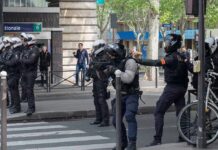
Democratic lawmakers drafted a measure to protect the public’s right to film federal officers, including immigration agents, when they are on duty in public places [8]. The bill would also create a way to sue officers who block or punish lawful recording [8]. Supporters say a clear statute would set a national floor. They argue it would deter abuse and give people a remedy when they face retaliation for filming government activity [8].
Backers frame the bill as simple: if an officer is doing government work in a public space, a citizen may document it from a reasonable distance [8]. They say video can prove facts, expose misconduct, or clear officers of false claims. They note that many big reforms only stuck after Congress set rules and penalties, not just principles. They want those teeth here, so the right is real in the field and not just on paper [8].
Why Many Say the Right Already Exists
First Amendment advocates argue this activity is covered by the right to gather information about public officials [1]. They say recording is a tool that informs communities and helps keep the government honest [1]. Press groups point to a growing court consensus that people may record officers in public places as long as they do not interfere with duties [11]. That view links everyday phone cameras to core speech and press protections that guard open government [1].
These advocates also stress real-world stakes. Videos have shaped major cases, sparked policy changes, and corrected official reports. They claim clear rules help both citizens and officers. When both sides know the baseline, tense moments can cool faster. Training and posted policies can reinforce the limits. Citizens keep a distance. Officers do their jobs. The law sets the guardrails so fewer fights end in cuffs or lawsuits [11].
Where the Law Is Still Murky
Legal scholars say many courts accept a right to record but warn it is not absolute [10]. They note judges allow reasonable limits on time, place, and manner, especially where safety or active investigations are at risk [10]. They also say the doctrine is uneven across the country. That patchwork means people may face different rules depending on where an encounter occurs, and officers may get mixed signals in fast-moving scenes [10].
This gap between principle and practice is common in civil liberties fights. Courts state a right. Street-level practice lags. Without a clear federal statute, remedies can be slow or uncertain. That leaves both sides frustrated. Citizens fear retaliation or loss of evidence. Officers fear interference or ambush by misleading clips. A statute could set uniform expectations and define penalties for clear violations, while still allowing reasonable safety limits [10].
How This Fits Today’s Political Climate
The debate lands in a country tired of double standards. People on the right and left say elites protect themselves while the public pays the price. Supporters pitch the bill as a check on unaccountable power, not a partisan swipe. They argue that a right to record helps good officers and honest citizens alike by creating a shared record. They also note Congress has codified rights before to make enforcement real and clear to everyone [5].
Skeptics warn that Congress should not tie officers’ hands during dangerous moments. They want firm language that preserves safety zones and arrest powers when someone truly interferes. The legal record supports those limits under reasonable restrictions [10]. The central policy choice is not whether recording is allowed. It is how to make the right clear nationwide while protecting scene safety and officer discretion during fast, high-risk events [10].
Sources:
[1] Web – Bill Introduced in Congress To Codify the First Amendment Right To …
[5] Web – Senate Democrats Proudly Lead Passage of Bill Increasing Police …
[8] Web – NY State Senate Bill 2019-S3253A
[10] Web – House Judiciary Democrats Laud Senator Leahy’s Introduction of …
[11] Web – [PDF] CODIFYING THE RIGHT TO RECORD POLICE