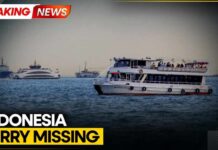
A deadly hantavirus outbreak aboard a Dutch expedition cruise ship has resulted in three deaths and exposed catastrophic gaps in maritime health protocols, stranding over 100 passengers at sea while international authorities scramble to contain a disease rarely seen in human-to-human transmission.
Story Snapshot
- Three passengers died from suspected hantavirus aboard the MV Hondius during an Atlantic crossing from Argentina, with eight total cases confirmed or suspected
- Specialized aircraft evacuated three individuals, including the ship’s doctor, from Cape Verde to the Netherlands as the 43% fatality rate alarmed international health authorities
- The WHO confirmed this unprecedented maritime outbreak raises critical questions about person-to-person transmission in confined spaces, departing from typical rodent-contact infection patterns
- Over 100 remaining passengers and crew face indefinite isolation and monitoring as the vessel limps toward the Canary Islands, highlighting systemic failures in cruise ship emergency preparedness
Unprecedented Maritime Health Crisis Unfolds
The MV Hondius departed Argentina approximately one month before the May 2 outbreak detection, carrying an estimated 100-150 passengers and crew on what should have been a routine Atlantic crossing to Europe. Instead, passengers found themselves trapped in a floating quarantine zone as severe respiratory illness swept through the confined vessel. An 80-year-old female passenger became the first fatality on May 2, followed rapidly by a married Dutch couple. By May 6, authorities confirmed eight suspected cases with three laboratory confirmations, while approximately 100-140 individuals remained aboard requiring continuous medical surveillance in conditions never designed for infectious disease containment.
Alarming Transmission Pattern Defies Standard Epidemiology
Hantavirus typically spreads through contact with infected rodent droppings, urine, or contaminated dust in agricultural or rural settings, not through person-to-person contact except in rare South American strains. This outbreak’s confined maritime environment and rapid progression suggest either unprecedented human transmission or a catastrophic rodent infestation that ship operators failed to detect or disclose. The 43% fatality rate far exceeds typical hantavirus pulmonary syndrome mortality of 1-15%, indicating either a particularly virulent strain or delayed medical intervention. WHO Director-General Tedros Adhanom Ghebreyesus claimed “the overall public health risk remains low,” yet three deaths among seven initial cases and the urgent evacuation of the ship’s own doctor contradict that reassuring assessment, raising questions about transparency and competence.
International Coordination Exposes Systemic Vulnerabilities
The evacuation required coordinating four national health systems—Netherlands, Cape Verde, Spain, and Switzerland—to manage a crisis that expedition cruise operators should have prevented through basic sanitation protocols and health screening. Cape Verde’s National Director of Health Angela Gomes confirmed hospital isolation capacity and dedicated medical teams stood ready, yet the ship’s limited medical facilities and isolation capability left passengers exposed for days before evacuation. One passenger independently sought care in Zurich after the ship operator sent an email notification, receiving confirmation of hantavirus infection, demonstrating that passengers who could afford to escape did so while others remained trapped. This two-tiered response system underscores how maritime disasters disproportionately affect those without means to self-evacuate.
Regulatory Failures and Industry Accountability Questions
Oceanwide Expeditions arranged specialized aircraft and coordinated with authorities only after three deaths forced action, not through proactive health monitoring that should be standard on vessels carrying vulnerable elderly passengers on extended voyages. The company’s vague timeline statements and lack of transparency about the outbreak’s origin suggest corporate priorities focused on liability limitation rather than passenger safety. Expedition cruises attract older, affluent travelers seeking adventure, yet operators apparently failed to implement rodent control measures or maintain adequate medical facilities for foreseeable health emergencies. This incident will likely trigger regulatory scrutiny and lawsuits, but the fundamental question remains: why did international maritime health protocols allow a rodent-borne virus to infect passengers on a vessel that should meet stringent sanitation standards?
Long-Term Implications for Maritime Travel Safety
The cruise industry faces reputational damage and potential regulatory overhaul as this outbreak exposes systemic failures in health screening, isolation capacity, and emergency response protocols. Insurance premiums will likely increase while passenger confidence erodes, particularly among the older demographic that forms expedition cruising’s core market. The broader public health community must now research person-to-person hantavirus transmission in confined maritime environments, establishing whether this represents a novel epidemiological pattern or evidence of catastrophic operational failures. For passengers currently confined aboard the MV Hondius and their families watching from shore, this crisis exemplifies how corporate negligence and inadequate government oversight create disasters that claim lives while bureaucrats issue hollow reassurances about low public health risks.
Sources:
3 evacuated off cruise ship with suspected hantavirus cluster, WHO says
Hantavirus outbreak cruise ship symptoms UK Cape Verde live updates
Suspected hantavirus outbreak aboard cruise ship: Human to human transmission
WHO Disease Outbreak News: Hantavirus – Cape Verde
Cruise ship’s hantavirus outbreak puts researchers in uncharted territory