Paramount’s merger win left CNN’s newsroom fearing layoffs and outside pressure even as a new “independence” board was promised.
Story Highlights
- Multiple outlets report sinking morale at CNN after the merger path cleared.
- Paramount agreed to create an editorial independence board for CNN and CBS News.
- Experts warn the new board may lack real power under company control.
- Staff worry about job cuts and more leadership churn during integration.
CNN Staff Mood Plunges After Paramount’s Legal Breakthrough
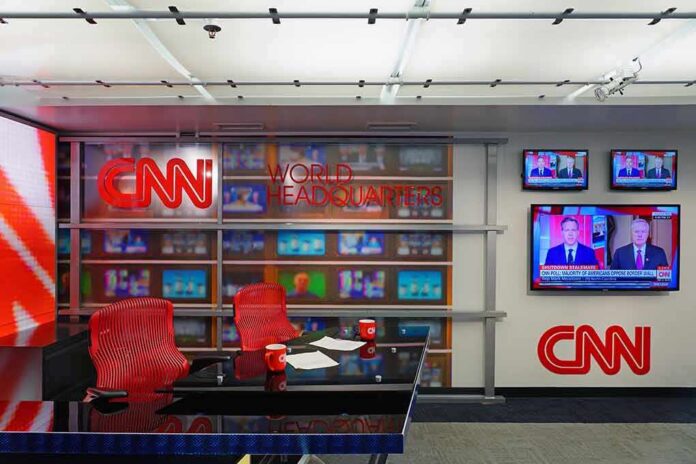
Reuters reported that Paramount’s settlement with a group of states cleared the way for its Warner Bros. Discovery takeover and included a news editorial independence board for CNN and CBS News. Variety described the “mood at CNN” as “like a funeral,” while a staffer warned that a leadership reshuffle now would be a major disruption. NBC News quoted seven current CNN employees who felt fear and concern as the path to new ownership opened. These accounts show deep unease inside the newsroom.
The Guardian noted staff anxiety about possible layoffs tied to consolidation, a common worry in big media tie-ups. Reporters and producers tend to brace for cuts when owners hunt for savings during integration. That pattern raises stakes for CNN teams who have already lived through years of shake-ups. Employees fear more uncertainty could weaken reporting, drain talent, and push the network into another costly cycle of change that distracts from core journalism.
What the Editorial Independence Board Can and Cannot Do
The settlement requires Paramount to set up a board to support independent, fact-based reporting at CNN and CBS News. Analysts at Reuters said the company will appoint and pay the board members, who serve three-year terms and are protected by a good-cause removal rule. Those features give the panel structure. But the same analysis warned the board could be “toothless” if final authority still rests with company leadership, raising doubts about real insulation from ownership pressure.
Supporters say guardrails can help during a tense transition. The promised board is supposed to monitor editorial independence, manage fairness concerns, and resolve disputes over bias claims. Those are sensitive tasks in any newsroom. The key test will be whether the board’s rules, membership, and transparency build trust among rank-and-file journalists who fear the company’s financial and political incentives could seep into coverage choices. Clear reporting lines and public standards will matter.
Layoff Fears and the Broader Media Consolidation Playbook
Journalists’ job fears are not new in mergers. The Guardian reported staff bracing for cuts as operational overlaps are addressed and leaders search for savings. Variety’s reporting suggested more leadership churn would be costly after years of change. When companies combine, teams often face hiring freezes, project delays, and new approval layers. Those steps can slow investigations, shrink field reporting, and nudge newsrooms toward safer, cheaper programming until budgets settle.
Paramount Skydance on Monday won its $110-billion Warner Bros Discovery takeover after settling lawsuits from states and a writers union, agreeing to temporary film quotas, a news oversight committee, and avoiding forced sale of assets like CNN. Paramount pledged $300 million… pic.twitter.com/nsoXc7sTyJ
— dailymattr (@dailymattr_news) September 22, 2026
This moment also taps a shared public concern: powerful owners holding outsized sway over the news. Many conservatives distrust CNN’s past coverage. Many liberals distrust large corporations steering political narratives. Both sides see the risk when one company controls major outlets and can set incentives that shape what stories get attention. The independence board is meant to counter that risk. The open question is whether it can do more than put a formal label on decisions leaders still control.
Why This Matters for Viewers and Voters
Newsrooms under merger stress can pull back from costly beats that hold leaders to account. That hurts viewers, not just journalists. The settlement’s independence language is a signal that regulators and states see the danger in concentrated media power. But a signal is not the same as proof. The clearest measures will be staffing levels, investigative output, on-air diversity of viewpoints, and whether the board issues reports with teeth when disputes arise. Those results will show if the guardrails work.
What to Watch Next
Watch for the formal announcement of the independence board and who gets the five seats. Track any newsroom layoffs, budget shifts, or leadership changes that hit core reporting desks. Look for transparent standards on political coverage, corrections, and dispute resolution. Follow whether the company releases board findings or metrics that show how it protects editorial lines. If those items stall or stay vague, expect staff morale to sink further and public trust to fall with it.
Sources:
reuters.com, rmb.reuters.com, variety.com, latimes.com