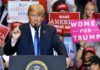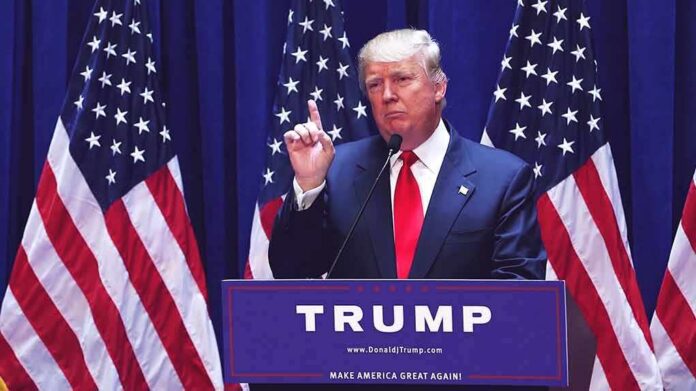
President Trump warned he will unleash “unprecedented” economic punishment on any nation that helps Iran sidestep new sanctions.
Story Highlights
- Trump is shifting from new strikes toward an expanded economic squeeze on Iran.
- Treasury plans measures “never seen” and faster enforcement against Iran-linked finance.
- The United States has a long record of Iran sanctions that hit hard but often fall short politically.
- Allies face a clear choice: support tighter isolation or risk U.S. penalties, Trump officials signaled.
Trump Signals a Hard Pivot to Economic Warfare
President Trump said his team is “low keying it” on new strikes while watching Iran’s financial pain grow, marking a sharp emphasis on sanctions and blockades over fresh combat operations. He said Iran faces high inflation and tight cash, and he aims to squeeze that further. This marks a return to a tested playbook: use money and markets to raise costs for Tehran. The White House says this path shows strength while keeping military options in reserve.
Treasury Secretary Scott Bessent previewed steps “never seen” as soon as next week, signaling tighter moves on banks, shipping, insurance, and energy flows that feed Iran’s budget. Officials also warned partners that sanctions help for Iran will trigger U.S. consequences, making it riskier to buy Iranian oil or enable its payments. The State Department recently named and sanctioned entities tied to digital asset networks that Tehran uses to keep money moving across borders.
What “Unprecedented” Might Mean in Practice
Past pressure waves targeted oil sales, shipping registries, and dollar access. New steps could widen secondary penalties that hit companies beyond Iran if they help it trade or finance deals, raising global compliance costs. Insurance bans, ship tracking demands, and port restrictions can choke covert cargo routes. Targeting crypto and front firms aims to close back doors that Iran has used to dodge earlier rounds. Tougher enforcement and faster listings would make workarounds harder to sustain.
Officials frame the strategy as a way to hurt Iran’s war finances without more U.S. casualties. They also argue it imposes choices on outside players that might be helping Iran’s economy survive. That approach can scale quickly because financial measures travel faster than ships and jets. But it can also spur pushback from countries that want cheaper oil, or from firms worried about being locked out of U.S. markets. That tension will test allied unity in the weeks ahead.
History Shows Power and Limits of Sanctions
The United States has wielded Iran sanctions since the 1980s, often with strong economic effects but uneven political payoffs. The Treasury Department called its 2018 actions the “maximum” pressure campaign when it re-imposed broad penalties after the nuclear deal waivers ended. Research shows sanctions tend to cut exports, weaken currencies, and raise inflation. But studies also find they do not always change a regime’s core behavior, especially after the first year or two.
⭕️ Trump Launches “Economic Warfare” Against Iran — Warns Countries Against Providing Tehran a Lifeline
President Trump is escalating pressure on Iran following stalled negotiations, announcing what he calls the “most crushing economic operation ever taken against any country.”… pic.twitter.com/mivvZ0QskS
— ZIONS OF ISRAEL (@Israeli_Sniper) August 20, 2026
That mixed record matters now. Trump’s team is betting that faster, wider enforcement, including on digital assets, will close gaps that blunted past efforts. Supporters say this spares U.S. forces and channels leverage through banks and ports instead. Critics in policy circles note that pain alone may not force policy change in Tehran, which has learned to adapt under pressure. Both can be true: sanctions can bite hard and still fall short of strategic goals.
Why This Escalation Matters for Americans
Energy markets react when oil from a major producer is at risk. Tighter enforcement could lift prices if shipments fall, which hits family budgets and transport costs. Businesses worry about new compliance rules and surprise penalties that disrupt supply chains. Many Americans, left and right, already feel Washington is better at threats than solutions. They see insiders shielded while regular people pay higher prices. This campaign will face that trust gap at home, even as it aims abroad.
What to Watch Next
Watch for Treasury designations naming banks, shippers, insurers, and trading houses tied to Iran’s sales. Look for stepped-up action against digital asset platforms and shell firms that move funds for sanctioned entities. Track tanker traffic and insurance withdrawals that can slow exports. Follow allied statements on enforcement to gauge unity. The administration says more is coming soon; the scope, speed, and follow-through will show whether “unprecedented” is more than a headline.
Sources:
redstate.com, cnn.com, reuters.com, cnbc.com, fortune.com, npr.org, aljazeera.com, finance.yahoo.com, state.gov, wsj.com