Mexico’s army says special forces seized FBI Top 10 fugitive Fausto Isidro Meza Flores after a fierce raid in Sinaloa.
Story Snapshot
- Mexican special forces captured Fausto Isidro Meza Flores in Guasave, Sinaloa, after a nighttime raid.
- Troops faced gunfire and explosives; burning vehicles and roadblocks followed across the area.
- Authorities flew Meza Flores and two alleged aides to Mexico City for prosecution.
- Analysts say removing cartel leaders often triggers turf fights and more violence over time.
How the Capture Unfolded in Guasave
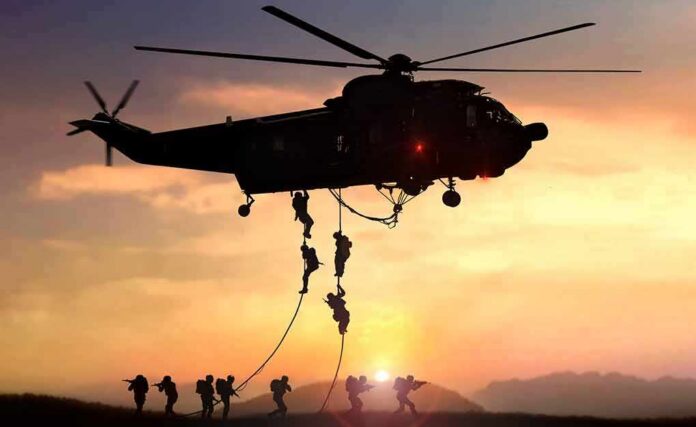
Mexico’s Secretariat of National Defense reported that elite troops moved on a location in Guasave, Sinaloa, on the night of November 20, 2026. Soldiers set a security ring and came under attack with rifles and explosives. The unit pressed forward and detained Fausto Isidro Meza Flores, known as “El Chapo Isidro.” Reports identified him as a fugitive on the Federal Bureau of Investigation’s Ten Most Wanted list and an alleged leader of the Meza-Flores network.
News accounts describe chaos after the raid. Gunmen lit vehicles on fire and blocked roads. Shots rang out near a professional baseball game, sending fans running. Military helicopters flew low over the city as units clashed with armed groups. These scenes matched past patterns after high-profile arrests in northwest Mexico. Officials said troops maintained control and secured the detainees despite the violence around the city.
Who Is Meza Flores and Why It Matters
Outlets describe Meza Flores as the head of a Guasave-based outfit sometimes called the Meza-Flores organization or Los Mazatlecos. Reports link him historically to figures from the Beltrán Leyva network and to rivalries within Sinaloa. Media say he faced charges in both Mexico and the United States and carried an alleged reward as part of the Federal Bureau of Investigation list. The exact alliances differ by source, but all agree on his high-value target status.
Mexico’s defense ministry said two associates were also detained. The ministry identified them as an alleged deputy, “Germán N., alias Serafín,” and an alleged financial operator, “José N.” The three men were flown to Mexico City on a Mexican Air Force plane. Authorities then placed them into the hands of federal prosecutors for processing. That transfer signaled an intent to move quickly into formal judicial steps after the military phase.
Security Fallout and What Comes Next
Researchers who study Mexico’s security policy say taking down a cartel leader often creates shockwaves. Studies find that “kingpin” captures can splinter groups, invite rivals into the area, and raise homicides in the months after the arrest. One National Bureau of Economic Research working paper links captures to sustained homicide increases in capture zones, with smaller but real spillovers elsewhere.
🇲🇽 Mexican special forces detained Fausto Isidro Meza Flores, known as “El Chapo Isidro,” a longtime leader of the Beltrán Leyva organization and ally of the Mayo faction, during a nighttime operation in Guasave, Sinaloa.
The Security Cabinet described the arrest as the product…
— London Baithead (@londonbaithead) November 21, 2026
This pattern puts leaders on both sides of the border under pressure. People on the right want tough action against traffickers and fentanyl flows. People on the left want less bloodshed and fair justice as communities try to recover. Many Americans agree on one point: big headlines do not always fix root causes. This arrest is a clear tactical win. But lasting safety will depend on courts, prisons, and local jobs that compete with crime, not just raids.
U.S.–Mexico Coordination and Legal Pathways
Several reports say United States intelligence aided Mexico’s search, though they do not name agencies or methods. Such coordination is common in major cases, especially when United States indictments are involved. After the arrest, key questions include whether Mexico will prosecute first, whether the United States will seek extradition, and how evidence will be shared. Officials have not announced a detailed timeline for court appearances or any cross-border legal steps.
For families in Sinaloa, the near-term concern is safety on the streets. For families in the United States, it is whether cross-border drug supply chains weaken. Past captures show that new lieutenants and breakaway crews can keep shipments moving. Governments that want lasting gains usually pair arrests with financial seizures, community policing, and youth jobs. That broader plan matters if leaders want wins that outlast one dramatic night.
Sources:
redstate.com, cnn.com, the-star.co.ke