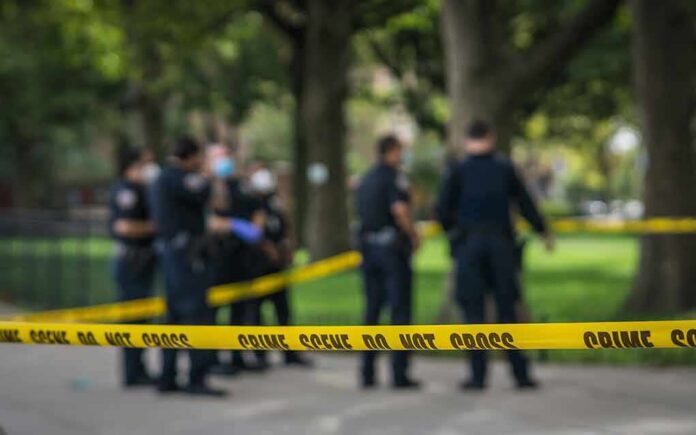
As Notre Dame kicked off against Michigan State, campus alerts warned of gunfire nearby and a suspected gunman on the move.
Story Snapshot
- University alerts reported shots fired near Eddy Street Commons during the game.
- Officials ordered fans to stay in the stadium and others to shelter in place.
- Police launched a search for a suspected gunman last seen on the campus edge.
- Local outlets reported property damage and ongoing investigation in the area.
What Officials Said And Did As The Game Began
University of Notre Dame alerts said shots were fired near Eddy Street Commons as the game against Michigan State got underway on Saturday, September 19, 2026. The message told people inside Notre Dame Stadium to stay put and urged everyone else on or near campus to shelter in place. The alert added that a suspected gunman was last seen at the south edge of campus. School officials said police were actively searching the area to protect public safety.
Local television reported that the search continued into the night as officers worked near Angela Boulevard and Eddy Street. One station said the alert went out shortly before 8 p.m., and it remained in effect while the game progressed. Reporters stressed that details were still being gathered, including whether anyone was hurt. The focus stayed on keeping crowds indoors and moving people away from the commercial district just south of the stadium.
Where The Reported Gunfire Happened And Why It Mattered
Eddy Street Commons sits next to Notre Dame’s southern boundary, with bars, restaurants, and student housing steps from the stadium. A separate local report said the shooting call came in around 10 p.m., and police who were already helping with crowd control responded fast. That outlet reported no injuries as of Monday, but said five vehicles and two apartments showed damage from gunfire. The police violent crimes unit took over the case and asked witnesses to come forward.
Another station described early updates that included a person hurt at Angela and Eddy, and noted that officers were injured in earlier Eddy Street incidents in recent years. Weekend traffic, visiting fans, and large student crowds can make that corridor hard to secure quickly. The tight mix of entertainment spots and housing also means any shots fired can send people in many directions at once. That is why alerts push simple steps: stay in place and wait for the all clear.
How Emergency Alerts Shape Fast-Moving Campus Incidents
Public safety research shows text alerts carry a high sense of urgency. Students and fans read them as serious and act faster than when they see social posts. That speed helps reduce risk when a suspect may still be nearby. It also means the first message can shape the story before facts settle. Universities send the alert to cut harm, then follow with updates as police confirm details and track the suspect’s path or vehicle.
No suspect in custody after shots fired outside Notre Dame Stadium during the Fighting Irish vs Michigan State game.
It started just after 7:30 p.m. at Eddy Street Commons on Angela Boulevard, right as crowds left the tailgates and kickoff hit. A fight broke out. Then a gunshot.… pic.twitter.com/RPcQtMwgkv
— Arkadalo® (@Arkadalo) September 20, 2026
Recent campus cases show a pattern: get people still, narrow the search zone, and avoid panic in crowded venues. Sacramento State used similar language during a game night alert earlier this month, telling stadium fans to shelter until police cleared a parking structure. The same safety logic applied in South Bend on Saturday. Keeping tens of thousands inside the stadium kept paths open for responders and reduced chances of bystanders crossing an active search.
What This Means For Fans, Families, And The City
Saturday’s response highlights a hard truth of big events near campus neighborhoods. One person with a gun can disrupt a city block, a stadium, and thousands of lives in seconds. Police and university leaders chose caution to protect people first, even as the game went on. Fans and families can expect more of this approach: fast alerts, simple orders, and visible patrols in nightlife zones that sit beside dorms and student apartments.
Many readers on the right and left share a core worry: public safety often feels fragile, and leaders seem slow to fix it. South Bend’s response shows what local agencies can do well in the moment. But it also shows the limits. Cities will need better lighting, cameras, and patrol plans where crowds gather after kickoff. Clear plans help police find suspects faster and help communities feel that safety is not left to chance on game night.
Sources:
foxnews.com, southbendtribune.com, wrtv.com, bleacherreport.com, wsbt.com