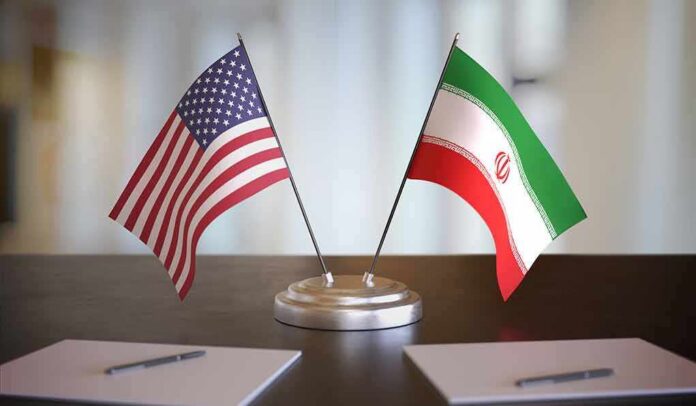
President Trump warned Iran to negotiate or face devastating strikes, tying the ultimatum to reopening the Strait of Hormuz and nuclear limits.
Story Highlights
- Trump set and extended short deadlines for an Iran deal tied to the Strait of Hormuz and nuclear limits.
- The White House says talks are underway; Iranian media has denied direct negotiations.
- Trump paired deadlines with threats of large-scale strikes if no agreement is reached.
- This pattern fits coercive diplomacy by deadline, common in U.S.–Iran crises.
Trump’s Ultimatum and Core Demands
President Trump told Iran to make a deal within days or face severe consequences. He linked any agreement to two goals: unimpeded shipping through the Strait of Hormuz and steps limiting Iran’s nuclear program. He warned that a deal must be “acceptable to me,” and said the United States would hit critical sites if Tehran refused. Trump also framed the stakes as urgent for energy markets and regional security, using the deadline to press for fast movement.
Trump’s demands have included immediate reopening of the waterway and permanent abandonment of nuclear weapons. Coverage described threats to target power infrastructure and other key assets if Iran did not comply. The president has used national addresses, interviews, and posts to drive the message. He positioned the timeline as short, then said the clock could shift if talks showed progress. That approach aimed to keep pressure high while leaving space for an off-ramp.
Deadlines, Extensions, and Claims of Talks
Trump announced that discussions with an Iranian official were taking place and said Tehran was eager for a deal to end the conflict. He extended his deadline to allow more diplomacy. Soon after, he postponed a threat to strike if the Strait was not reopened by day’s end, citing “good and productive” talks. Iranian state media pushed back, saying there were no negotiations and that the United States had retreated from its demand. This back-and-forth fueled uncertainty about the true status of talks.
The White House continued to insist that the pressure campaign was working. Officials pointed to messages delivered through regional partners and public demands for a clear Iranian statement that shipping would be safe. The administration said that open seas and nuclear limits were nonnegotiable. Tehran’s denials served its own narrative that it was not yielding under threat. Both sides tried to manage public perception as markets and allies watched the clock.
Why Coercive Deadlines Keep Returning
Short, public deadlines are a hallmark of U.S.–Iran standoffs. Leaders use them to project resolve, deter attacks, and shape news cycles. Trump’s approach mixed threats with narrow extensions when intermediaries reported movement. Supporters argue the tactic squeezes Iran while giving diplomats time to close gaps. Critics warn it can escalate risk and confuse allies. Either way, the pattern prizes leverage and ambiguity over detailed public terms, especially on energy flows and nuclear steps.
Trump’s response to Iran is strategically revealing.
Iran denied that direct U.S.–Iran negotiations are underway and said its current talks concern Oman and a temporary Hormuz route.
Trump’s answer was not verification.
It was recognition coercion:
The talks exist because I… https://t.co/yAkeuYaTY2 pic.twitter.com/vaWukC8k7D
— Andre Robinson MS (@AndreDoctrine) August 3, 2026
For Americans, the stakes feel familiar. Voters across the spectrum worry about high energy costs, wars that drag on, and leaders who posture more than they solve. The Strait of Hormuz affects gas prices at home. A misstep can raise costs for families and small businesses. The administration’s message is that tough lines can secure peace on better terms. Iran’s message is that pressure will not force surrender. The outcome will test whether deadline diplomacy can deliver results without a wider war.
Sources:
insiderpaper.com, france24.com, bbc.com, nj.com, foxnews.com, apnews.com, washingtonjewishweek.com