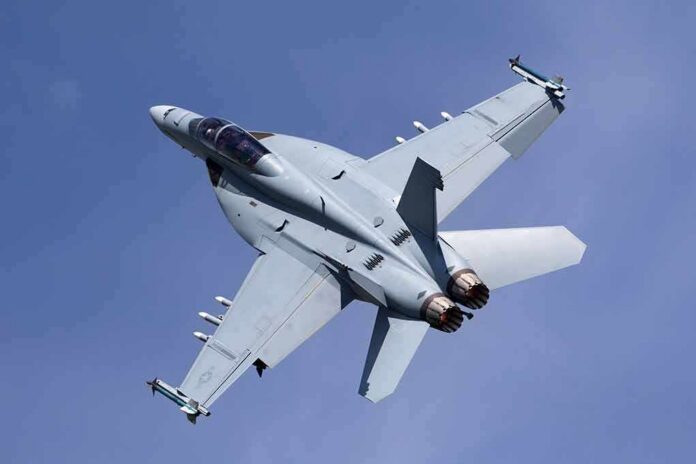
Bulgaria has quietly turned one of its air bases into a key refueling stop for the U.S. campaign against Iran, while insisting it is not part of the war.
Story Snapshot
- Bulgarian lawmakers approved U.S. tanker aircraft and troops at Bezmer Air Base to support operations in the Middle East.
- Sofia says the mission is “logistical only,” with no combat flights or offensive weapons based on Bulgarian soil.
- Iran warns Bulgaria that hosting these planes makes it complicit in “aggression and war crimes” against Tehran.
- The move highlights how small allies enable big wars while leaders insist they are not truly involved.
Bulgaria Approves U.S. Tanker Deployment for Iran-Linked Operations
Bulgarian parliament voted to allow up to eight U.S. KC-135 aerial refueling aircraft and about 250 American troops to deploy at Bezmer Air Base from July 24 to October 1, 2026. Lawmakers backed the measure by 136 votes to 13, with two abstentions, after Washington asked for support to sustain operations in the Middle East as President Donald Trump escalates strikes on Iran. The authorization covers crews, personal weapons, ammunition, and ground equipment, turning Bezmer into a rear hub for U.S. air power.
Prime Minister Rumen Radev told members of parliament the decision was about meeting Bulgaria’s “allied commitments” as a North Atlantic Treaty Organization (NATO) partner, not joining a new war. The government memo describes the aircraft as support for United States operations in the Middle East, but stresses that no combat missions will launch from Bulgarian territory. Radev and his defense team say the planes will only refuel other aircraft and will carry out mid-air operations outside Bulgarian airspace. This framing tries to draw a clear line between support and direct fighting.
Sofia’s Message: Logistics, Not Combat – but Critics Are Skeptical
Bulgaria’s leaders repeat a simple message: tanker planes and crews on Bulgarian soil equal logistics, not combat. Defense officials say no offensive weapons systems will be based in the country and that the mission is limited to refueling and maintenance. They argue that Bulgaria is not attacking any country and therefore is not a party to the Iran war. For ordinary citizens who already doubt global elites, this sounds like classic “deep state” word games where governments help wars while claiming clean hands.
The same pattern appeared earlier this year at Sofia’s Vasil Levski Airport, where up to 15 U.S. aircraft and roughly 500 personnel were authorized for a “non-combat” stay tied to NATO training. Officials insisted these movements were about “enhanced vigilance activities,” not Iran. Yet multiple reports noted large numbers of KC‑135 Stratotankers staging through Bulgaria on their way to the Middle East, creating what analysts called the largest American air buildup in the region in decades. Many people on both the left and right see this as proof that host nations can be deeply involved in war planning even when their leaders deny it.
Iran Warns Bulgaria It Could Be Complicit in Aggression
Iran has responded sharply to Bulgaria’s decision, warning Sofia not to let its territory support U.S. military operations against Tehran. Iranian officials say allowing the tankers to operate from Bezmer makes Bulgaria complicit in “aggression and war crimes,” and they reserve the right to respond. For Bulgarians, this raises fears that their country could become a target or bargaining chip in a wider conflict they did not choose. It echoes long‑standing worries that small states are dragged into big power games.
Bulgarian parliament votes 136–13–2 to host up to 8 US KC‑135 tanker aircraft and 250 troops at Bezmer Air Base to support US operations in the Middle East, under a 2006 US–Bulgaria defence pact. Tehran warns Sofia any role in facilitating US strikes on Iran makes…
— Nima Far (@nima__far) July 22, 2026
Bulgaria’s foreign and defense ministries have pushed back, saying the country is not at war and that its territory is not being used to launch attacks on Iran. They insist flights tied to the Iran operation occur outside Bulgarian airspace and that the mission is limited to refueling support. Still, many citizens who already mistrust political elites hear a familiar tune: leaders promise limited involvement, then quietly allow their soil, bases, and laws to make distant wars possible. The gap between official language and on‑the‑ground reality fuels anger across the political spectrum.
A NATO Ally Caught Between Great-Power Plans and Public Frustration
Bulgaria’s role fits a broader trend where U.S. allies host troops, aircraft, or radar systems and call it “logistics,” while critics say these moves clearly help combat operations. The legal claim is that if no bombs drop from Bulgarian runways, the country is not a party to the war. The practical reality is that long‑range strikes on Iran often depend on tanker aircraft that use allied bases and airspace to reach distant targets. Without such support, major operations become far harder, if not impossible.
For Americans watching from home, this story touches core frustrations shared by conservatives and liberals. Many see global deployments like this as proof of endless wars, elite military planning, and little honest debate in Congress. Others worry that “America First” is turning into “America everywhere,” with little focus on broken systems and rising costs at home. Bulgarians see something similar: a political class that talks about commitments and treaties while ordinary people worry about safety, sovereignty, and whether their country is being used by bigger powers.
What This Means for Trust in Government and War Powers
The Bezmer decision shows how war can spread through legal paperwork and “temporary deployments,” not just dramatic speeches or formal declarations. Parliament set a tight window and limited numbers, making the move look controlled and modest. But once infrastructure is in place, extensions become easier, and leaders can keep saying it is only logistics. Veterans of past conflicts remember how “advisers,” “trainers,” and “support missions” in places like Vietnam or Iraq grew into full‑scale wars.
People on both the right and left now question whether their governments, in Washington or Sofia, are truly honest about military plans. They see a global network of bases and deals run by officials who never seem to pay a price when wars go wrong. Bulgaria’s choice to aid U.S. operations in Iran from Bezmer Air Base, while denying any combat role, is one more example of this gap between official talk and real impact. It is a reminder that the line between logistics and war is thin—and that citizens must watch it closely.
Sources:
realcleardefense.com, bta.bg, sofiaglobe.com, english.alarabiya.net, en.haberler.com, novinite.com, sfgate.com