A single Wall Street deal just helped turn one man into a trillionaire while most Americans struggle to pay their bills.
Story Snapshot
- SpaceX’s record initial public offering reportedly valued the company at about $1.77 trillion and set a $135 share price.[2]
- Elon Musk’s large ownership stake means his net worth is widely reported to have crossed $1 trillion, making him the world’s first trillionaire.[1]
- Supporters say the price reflects huge future markets like Starlink internet, space-based data centers, and even Mars plans, not today’s profits.
- Critics, including a United States senator and valuation experts, warn the deal is wildly speculative and leaves small investors with heavy risk.[1]
How the SpaceX IPO Created the First “Trillionaire”
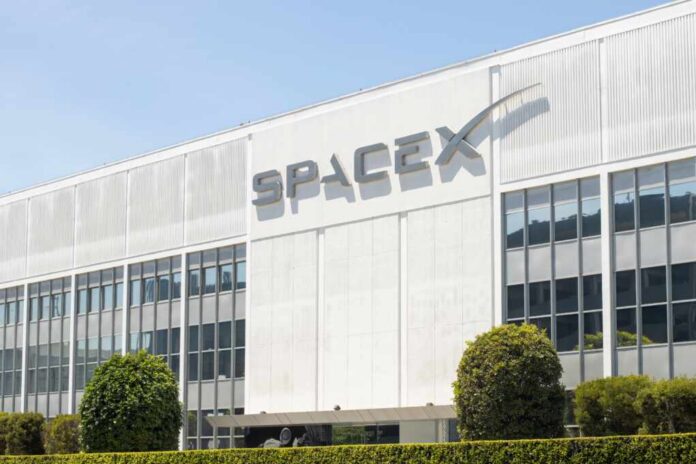
SpaceX went public on the Nasdaq in what many outlets called the largest stock debut in history, with the company pricing shares at $135 and raising about $75 billion from investors.[2] That price implies a total value near $1.77 trillion, putting SpaceX in the same league as the biggest public companies on Earth. Reports say Elon Musk owns a very large share of SpaceX, so this single event pushed his reported net worth above the $1 trillion mark.[1]
One analysis says Musk holds roughly forty percent of the company, which would make his SpaceX stake alone worth more than seven hundred billion dollars at the offering price. When you add his Tesla shares and other assets, several financial outlets and social media posts now describe him as the world’s first trillionaire.[1] Live coverage of the listing showed cheering crowds and breathless anchors treating the moment like a moon landing for money, not just another stock sale.[3]
What Backs a $1.77 Trillion Space Company Price Tag?
Backers say the sky-high valuation is not really about current profits but about the future businesses SpaceX might dominate, such as global Starlink broadband internet, military and government launch contracts, satellite networks, and even orbital data centers to power artificial intelligence. Some Wall Street commentary frames the deal as investors buying into Musk’s long-term vision more than any spreadsheet of today’s earnings or cash flow. This type of “vision premium” has shown up before with fast-growing technology firms, especially during hype cycles.
Supporters argue that if Starlink becomes a core part of the world’s internet backbone and if launch costs keep falling, SpaceX could someday earn profits that match today’s bold price. They also point to huge demand for shares, with reports that individual investors alone tried to order tens of billions of dollars’ worth of stock before trading even began. To these bulls, the valuation is a bet that SpaceX will sit at the center of a new space-and-data economy, not a judgment on last year’s income statement.
Why Skeptics See Speculation, Not Sound Value
Critics counter that the numbers behind the story look far weaker than the headlines suggest. Public reporting says SpaceX generated about eighteen billion dollars in revenue last year but still posted an operating loss of more than four billion dollars, which is a long way from profits that could justify a price tag near two trillion dollars. Morningstar analysts quoted in coverage called the stock “significantly overvalued” and put their fair value estimate closer to seven hundred eighty billion dollars, less than half the implied market price.[2]
New York University valuation expert Aswath Damodaran and others highlight that many of the most hyped projects, like space-based data centers for artificial intelligence, have not yet shown clear, profitable business models.[1] A portfolio manager told one outlet that investors are “largely buying into Musk’s vision of the future” and described the trade as highly speculative, with today’s price already baking in decades of perfect execution.[3] From this view, the IPO looks less like careful valuation work and more like a bet driven by excitement, brand power, and fear of missing out.[1]
Power, Control, and the “Deep State of Wall Street”
United States Senator Elizabeth Warren urged the Securities and Exchange Commission (SEC) to delay the offering, warning that the deal lets Musk raise tens of billions while keeping tight control and giving ordinary shareholders little real power to hold leadership accountable. Coverage of her letter says she questioned the financial assumptions used to sell the deal and raised concerns about investor protections, governance, and concentrated voting rights.[3] Other commentators note that Musk’s loyal fan base can drown out these worries by framing any criticism as “anti-innovation.”
🚨 BREAKING: ELON MUSK LAUNCHES SpaceX on the Nasdaq, HISTORIC DAY
He just made history, largest IPO ever!
World's first trillionaire! 🔥 pic.twitter.com/CKwHvZIobI
— CaptKyle Patriots ®🍊 (@captkyle006) June 12, 2026
Across the political spectrum, many Americans see the SpaceX deal as one more example of a system that works for connected insiders while regular people face rising prices, weak wages, and shrinking retirement accounts. The same Washington that struggles to fix border chaos, health care, or Social Security had no trouble greenlighting a complex deal that instantly made a very rich man even richer. Supporters cheer Musk as proof the American Dream is alive; skeptics see proof that the game is rigged for the elites either way.
Sources:
[1] YouTube – SpaceX IPO makes Elon Musk world’s first trillionaire | Reuters World …
[2] YouTube – Why NYU’s ‘Valuation Guru’ Says Musk’s SpaceX Isn’t Worth $1.77T
[3] Web – Buy SpaceX Stock | Early Share Access – Augment Markets