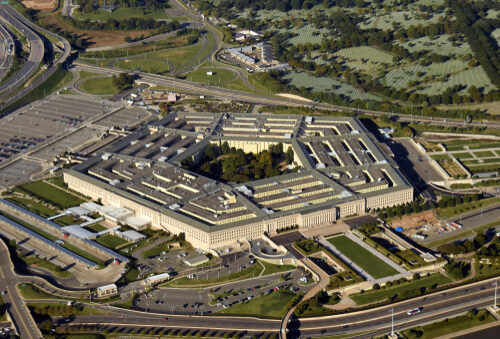
A federal judge’s rare temporary approval of Pentagon press restrictions offers a brief win for Trump administration security measures amid relentless judicial blocks.
Story Highlights
- Federal court on April 13 temporarily permits Pentagon to enforce media access limits, contrasting prior rulings against the policy.
- Judge Paul Friedman, a Clinton appointee, twice struck down key restrictions as First Amendment violations in March and April 2026.
- Pentagon under Defense Secretary Pete Hegseth revised rules requiring escorts and workspace removals, prompting media exits like CBS News.
- Battle pits national security needs against press demands for unrestricted access, highlighting government-media tensions.
- Pentagon plans appeal, claiming compliance while ensuring safe operations.
Pentagon Policy Origins
The Trump administration introduced tighter media access rules at the Pentagon in late 2025. This shift followed perceived lax standards under prior policies. Journalists faced requirements to pledge against seeking unauthorized information. The New York Times sued in December 2025, challenging credentials tied to these pledges. Defense Secretary Pete Hegseth’s team aimed to balance security with public information flow. This echoes post-9/11 measures but escalates with explicit reporting limits. Such controls address operational safety in a high-security environment.
Judicial Rulings and Pushback
On March 20, 2026, U.S. District Judge Paul Friedman invalidated core policy elements. He ruled they violated First and Fifth Amendment rights. Friedman ordered restoration of New York Times reporter Julian Barnes’ credentials. He halted provisions treating access as a revocable privilege or banning solicitation of sensitive info. Last month, the Pentagon issued a revised policy mandating escorts and eliminating workspaces. About 50 outlets, including CBS News, voluntarily exited. Friedman criticized this as circumventing his order.
April Court Actions
On April 9 or 10, 2026, Friedman blocked the revised policy outright. He accused the Pentagon of dictating information so the public hears only administration-approved narratives. The judge required a sworn compliance declaration by April 16. Yet on April 13, a federal court temporarily allowed enforcement of restrictions. This interim order, amid ongoing litigation, marks a departure from blocks. Pentagon spokesperson Sean Parnell stated full compliance through credential reinstatements and revisions. The Defense Department plans to appeal.
Escorted access persists in some areas. Named reporters regained credentials, extending to others. This tug-of-war tests executive authority against judicial oversight. Both sides cite constitutional duties: security for the Pentagon, free press for media.
Federal Judge Temporarily Allows Pentagon To Enforce Press Restrictions https://t.co/zGGeAy3KCI
— zerohedge (@zerohedge) April 14, 2026
Impacts on Press and Public
Disruptions force remote reporting and incur relocation costs for outlets. Rulings could cement Pentagon access as a constitutional right, curbing future limits. Journalists face credential risks and chilled investigative work. The public receives less direct defense insights. Politically, it fuels admin-media friction under Trump’s second term. Republicans control Congress, yet courts check executive moves. This reveals deep state resistance, frustrating conservatives seeking America First security.
Liberals decry narrative control, while conservatives back safeguards against leaks. Bipartisan distrust grows as elites prioritize power over people. Traditional principles of limited government clash with unchecked bureaucracy.
Sources:
CBS News: Judge says Pentagon must restore press access
Fox5 Atlanta: Judge rules Pentagon violated order to restore press access
Politico: Pentagon press access hearing
NTD: Federal Judge Temporarily Allows Pentagon to Enforce Press Restrictions
Freedom Forum: Pentagon media policy ruling