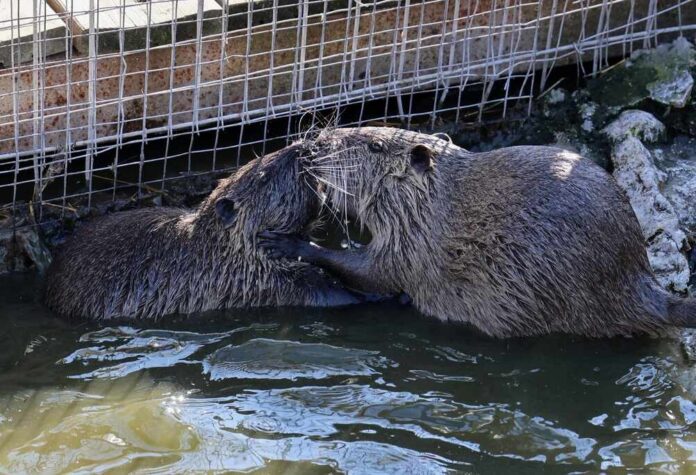
California faces a deliberate sabotage of its waterways as genetic evidence reveals someone illegally transported destructive 20-pound nutria rats from Oregon, reigniting an eradicated invasion.
Story Highlights
- DNA analysis by CDFW links California’s nutria to central Oregon populations, proving human transport over natural migration.
- These semi-aquatic rodents burrow deeply into levees, causing erosion, floods, and $5 million in annual damages to agriculture and infrastructure.
- State agencies have removed 7,841 nutria since 2017, but eradication window narrows as they spread across 12 counties.
- Illegal reintroduction violates state law, highlighting failures in enforcement that burden taxpayers and threaten food security.
Genetic Evidence Points to Intentional Release
California Department of Fish and Wildlife scientists completed a genomic study in April 2026, comparing DNA from nutria worldwide. The analysis revealed California’s current population traces to a single maternal lineage matching central Oregon nutria. This pattern contrasts with the diverse lineages eradicated in the 1970s. Researchers concluded the rodents resulted from prohibited human transport, not natural spread or remnant survivors. Such actions undermine decades of successful wildlife management.
Nutria Devastation Threatens Critical Infrastructure
Nutria, weighing up to 20 pounds with beaver-like burrowing habits, destroy up to 10 times their daily plant intake of 25% body weight. They excavate burrows 6 meters deep and 50 meters into banks, eroding levees in the Sacramento-San Joaquin Delta and Central Valley. This weakens flood control systems from San Pablo Bay to Kings County, endangering farmers, residents, and water supplies. Crop losses and infrastructure repairs already cost California $5 million yearly, straining budgets amid economic pressures.
Eradication Efforts Race Against Rapid Spread
Since rediscovery in Merced County in 2017, nutria have invaded 12 counties including Stanislaus, Fresno, and Sacramento. CDFW’s Nutria Eradication Program removed 7,841 by March 2026 using traps, cameras, and dogs. Interagency teams with USDA and local commissioners map infestations across hundreds of thousands of acres. Officials stress a narrowing feasibility window before perpetual control like Louisiana’s $2 million annual bounties becomes inevitable. Public reporting of signs like grooved scat remains essential.
Kristen Ahrens, CDFW research scientist, led the genetics work, building a global dataset to trace invasions. This toolkit aids managers nationwide. Valerie Cook, Nutria Eradication Program Manager, affirmed the study supports reintroduction theory over remnant growth. Landowners and hunters can legally remove nutria on private property, bolstering state efforts.
California's Nutria Nightmare: Someone Really Likes These 20-Pound Ratshttps://t.co/ibk2QjtO9S
— RedState (@RedState) April 12, 2026
Broader Implications Echo Government Failures
Farmers in the Central Valley face immediate flood risks and crop destruction, while water districts battle irrigation disruptions. Long-term, unchecked nutria convert wetlands to open water, erasing biodiversity and demanding endless taxpayer funds. This incident exposes enforcement gaps allowing exotic pet enthusiasts or saboteurs to release invasives illegally. Both conservatives frustrated by regulatory overreach and liberals concerned with elite neglect see here a government prioritizing insiders over protecting hardworking Americans’ livelihoods and the land that sustains them.
Sources:
Invasive rodent plaguing California may have been deliberately released. Here’s the theory
DNA study ties California’s invasive nutria to central Oregon, suggesting reintroduction
Invasive Pest Spotlight: Nutria