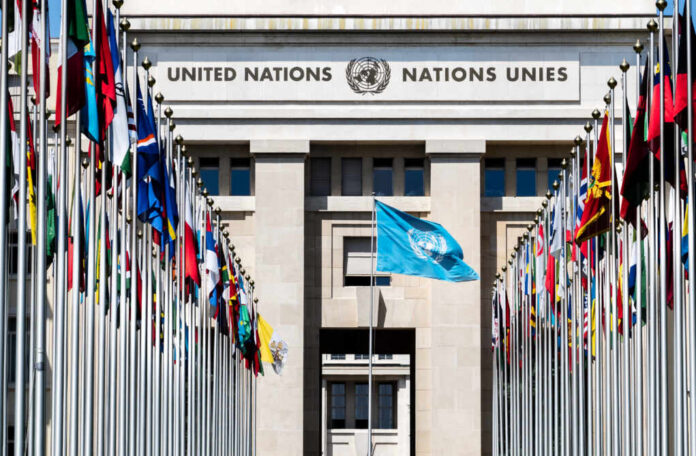
A new UN report is fueling fresh global pressure on America’s closest Middle East ally—with calls that could reshape U.S. foreign policy and reignite the fight over who really protects civilians in war.
At a Glance
- The UN human rights office says Israeli actions in Gaza and the West Bank appear aimed at “permanent demographic change,” a claim Israel disputes through its security rationale and wartime posture.
- The UN report covers Nov. 1, 2024 to Oct. 31, 2025 and describes large-scale civilian harm, displacement orders, and humanitarian access restrictions.
- Documented figures include at least 25,594 killed and 68,837 injured during the 12-month period, plus at least 463 starvation deaths, including 157 children.
- The UN recommends states halt arms transfers to Israel and presses “accountability,” intensifying political pressure on allied governments.
What the UN Report Claims—and Why It’s Making Headlines
The UN Office of the High Commissioner for Human Rights released a detailed assessment dated February 26, 2026, arguing that Israeli conduct in Gaza and the West Bank appears designed to produce “permanent demographic change.” The reporting period spans November 2024 through October 2025, when the UN says it tracked intensified operations, repeated displacement orders, and restrictions that worsened humanitarian conditions. UN High Commissioner Volker Türk framed the stakes bluntly, emphasizing accountability as a prerequisite for durable peace.
The report’s language matters because it elevates accusations beyond “collateral damage” debates and into claims tied to forced transfer and long-term population reshaping. For U.S. readers, that typically means a familiar next step: international bodies pushing allied governments to adopt punitive policies. The UN’s recommendations include urging all states to cease sales and transfers of arms and related equipment to Israel, a position that would collide with longstanding U.S. security cooperation.
https://youtu.be/Qr8lwLR2gKA?si=KDLUUIf7lkdtMBNS
The Numbers: Deaths, Injuries, Displacement Orders, and Starvation
The UN report cites at least 25,594 Palestinians killed and 68,837 injured during the 12-month reporting window, while also stating broader totals since October 7, 2023 are far higher. The UN human rights office says it verified the reliability of Gaza Health Ministry casualty figures for its reporting purposes, while also warning that the true toll is likely higher due to people buried under rubble and indirect deaths linked to the humanitarian catastrophe.
On displacement, the report states that Israeli forces issued 121 displacement orders between November 2024 and October 2025. It also points to sharp population swings in Al Mawasi, with estimates rising from 115,000 on March 13, 2025 to 410,571 on September 28, 2025, then dropping to 279,000 later. The UN further reports at least 463 starvation deaths during the period, including 157 children, tying the crisis to access limits, insecurity, and the breakdown of basic services.
Legal Allegations and the “Accountability” Push
The UN assessment links the reported pattern of harm to potential violations of international law, including allegations consistent with war crimes and crimes against humanity, and it flags the use of starvation as a method of war as a central concern. It also references obligations under the Genocide Convention, arguing states and parties have duties to prevent the worst outcomes. The report repeatedly stresses a “climate of impunity,” asserting that a lack of accountability prolongs civilian suffering.
From a conservative, America-first perspective, the key policy question is not whether global institutions can generate headlines—they can—but whether their prescriptions advance peace or simply internationalize the conflict in ways that weaken U.S. leverage. The report’s arms-transfer recommendation would not only pressure Israel; it would also pressure Washington to outsource national security judgments to UN-driven processes. The UN’s own document acknowledges gaps, including insufficient access to data in North Gaza and some figures still under verification.
West Bank Focus: Land, Security Operations, and International Blowback
The report’s demographic-change claim spans both Gaza and the West Bank, drawing attention to property destruction, displacement, and intensified operations, including in East Jerusalem. Separate government statements from European actors have highlighted developments such as land reclassification and settlement-related disputes, which continue to fuel international criticism and diplomatic friction. The UN report also notes Palestinian Authority security forces have at times used unnecessary or disproportionate force, though the primary focus remains on Israeli actions.
For Americans watching from 2026, the deeper issue is how quickly international pressure campaigns can morph into demands that U.S. taxpayers underwrite reconstruction and security arrangements without clear safeguards. The UN urges immediate participation of Palestinians in governance tied to Gaza reconstruction, a politically explosive subject given the ongoing hostage crisis and the role of armed groups since October 7, 2023. The report’s framing ensures the debate stays heated in allied capitals.
BREAKING – Israel aims to bring 'permanent demographic change' to West Bank, Gaza: UN https://t.co/V8uWPJ5PaL pic.twitter.com/BCjYL3fkpA
— Insider Paper (@TheInsiderPaper) February 26, 2026
What comes next is likely a tug-of-war between humanitarian urgency, allied security commitments, and the kind of “global accountability” machinery that often targets Western-aligned democracies first. The UN report will be cited in diplomacy, media narratives, and activist campaigns pushing arms embargoes and international legal action. For U.S. policymakers, the challenge is balancing genuine civilian protection with hard security realities—while keeping U.S. constitutional self-government, not foreign bureaucracies, in charge of American decisions.
Sources:
Fears of ethnic cleansing in Gaza and the West Bank: UN rights report
UN rights chief: Israel aims to bring ‘permanent demographic change’ to West Bank, Gaza
A/HRC/61/26 (OHCHR report PDF)
Ethnic cleansing concerns in Gaza and the West Bank amid intensified violence and
Joint statement on the situation on the West Bank