Houthi officials say they fired air defense missiles to drive off Saudi jets as an Iranian passenger plane carrying more than 200 people landed safely in Sanaa.
Story Snapshot
- Houthi spokesperson claimed Saudi aircraft entered Yemeni airspace at 5:20 a.m. to stop an Iranian civilian flight.
- Houthi forces said they launched air defense missiles and forced the jets to leave; the plane landed in Sanaa.
- Saudi-led coalition did not confirm the incident and framed Houthi statements as propaganda.
- Regional media covered the claim while noting the lack of independent verification.
What Houthis Reported Happened Over Sanaa
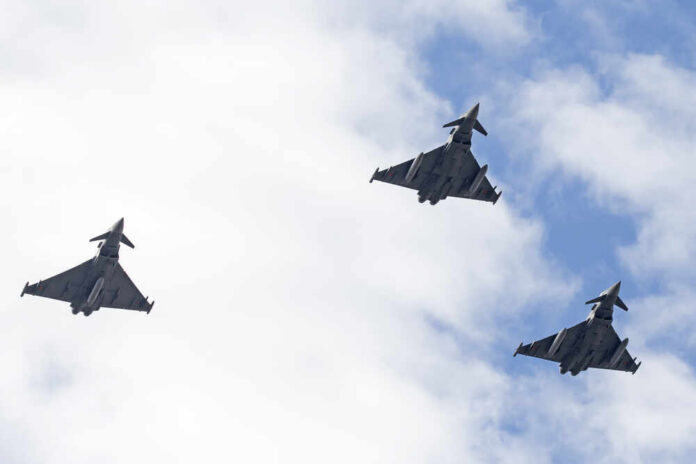
Houthi spokesperson Yahya Sarea said Saudi aircraft entered Yemeni airspace at 5:20 a.m. local time. He said the jets tried to stop an Iranian civilian plane that carried more than 200 wounded, sick, and stranded passengers. He said Houthi air defenses fired several missiles and forced the jets to leave. He said the action protected Yemeni airspace and a humanitarian flight. Houthi media broadcast the claims the same day, stressing that the aircraft landed.
Regional outlets reported the Houthi account and highlighted the safe arrival of the Iranian plane in Sanaa. A broadcast recap said the landing showed the mission was not blocked. The coverage repeated the Houthi timing and the claim of missile launches. These reports did not include radar images, cockpit audio, or clear video of the interception. They labeled the event as a claim, not a proven fact, due to missing technical proof.
What Saudi Officials Said And Did Not Say
Saudi-led coalition officials did not confirm an airspace violation or an aerial clash near Sanaa. They dismissed the Houthi statements as propaganda and a bid to divert attention. They did not address the reported 5:20 a.m. timing, the Iranian plane’s passenger count, or the alleged missile launches. They did not release radar tracks, flight logs, or any cockpit data to rebut the details. Their response left core points unverified either way.
The lack of technical evidence from either side keeps the incident in the “claimed” category. Multiple outlets described the episode as alleged rather than proven. That handling is common in this war zone, where air incidents often go unverified. In this case, the public can confirm only that the Houthi side made a detailed claim. The reported safe landing of the Iranian plane was cited by broadcasts covering the Houthi account.
Why This Matters For Civilians And Air Safety
International and regional authorities warn that Yemeni airspace is high risk for civilian aviation. Advisories say the Sanaa flight region should be avoided because of conflict and air defenses. Claims of missile launches near a major airport raise clear safety concerns. Even without proof of an interception, the rhetoric alone can change flight plans. Airlines and aid carriers now face fresh warnings and possible route changes if threats escalate.
Houthi terrorists in Yemen 🇾🇪 say they targeted Saudi 🇸🇦 "warplanes" with air defense missiles this morning; the Houthis claim the Saudi places tried to prevent an Iranian 🇮🇷 plane from landing at Sanaa International Airport. pic.twitter.com/6bV332hj4y
— Aleph א (@no_itsmyturn) July 3, 2026
Houthi leaders warned that any future airspace “violations” would trigger broad strikes on Saudi airports and vital sites. That threat raises the risk of a wider cycle of retaliation. Saudi officials have vowed to defend their territory with strong force if attacked. Civilians, aid groups, and regional trade would pay the price for any misstep. Once airports and ports enter the target list, the fallout can spread fast across the region.
How The Narratives Serve Power
The Houthi side gains by casting itself as the defender of Yemeni skies and humanitarian access. Tying the event to a plane with sick and wounded people strengthens that message. The Saudi side benefits by branding Houthi claims as stunts and keeping details vague. That avoids scrutiny of operations while preserving room to respond later. In past Yemen incidents, most aerial clash claims stayed unverified by independent data, and coverage reflected that pattern.
What To Watch Next
Watch for hard evidence: radar logs, flight tracks, or clear video from either side. Independent satellite images could show flight paths or launch points near Sanaa. Passenger accounts from the Iranian flight could confirm or reject parts of the story. If none of that appears, expect both narratives to harden. Airlines and aid groups may still adjust routes because risk rises even when facts stay murky.
Sources:
zerohedge.com, china.org.cn, jpost.com, straitstimes.com, iranprimer.usip.org