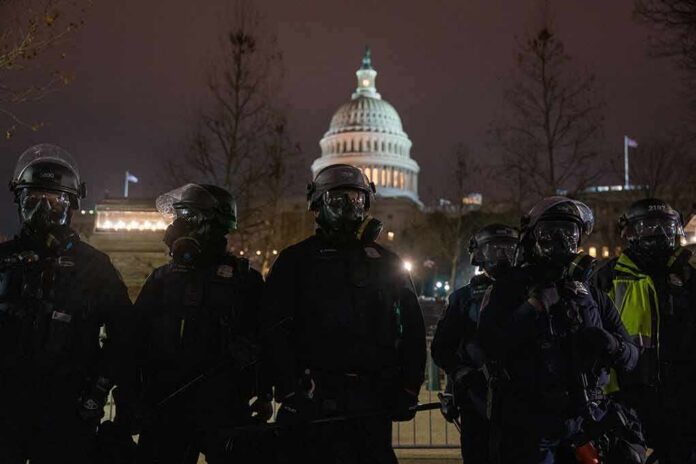
Two Pentagon memos just expanded National Guard power in Washington with marked police cars, tactical trucks, patrol boats, and portable light towers to back law enforcement on city streets.
Story Highlights
- Defense Secretary Pete Hegseth authorized new Guard vehicles, boats, and gear to support D.C. policing.
- Federal agencies cite tens of thousands of arrests and large gun seizures during the broader surge.
- A federal judge ruled the deployment unlawful; an appeal keeps it in place for now.
- Cost estimates run from millions per day to billions over several years, fueling pushback.
What Was Authorized And Why It Matters
Defense Secretary Pete Hegseth signed two memoranda allowing the D.C. National Guard to use up to 60 marked military-police cars, tactical vehicles, two patrol boats, and as many as 20 light towers and generators. The documents describe “visibility patrols” and support to federal and local police. The stated goal is to boost presence, protect patrol zones, and add maritime support where needed across the nation’s capital.
Pentagon officials frame the added equipment as force protection and emergency response. Light towers can brighten high-risk areas or crime scenes. Generators can keep operations running during outages. Patrol boats can help along the Potomac and Anacostia rivers. Supporters say these tools give agencies surge capacity without overloading the Metropolitan Police Department. The authorization clearly ties Guard activity to assisting lawful police operations, not replacing them.
Supporters Point To Arrests And Seizures
Backers cite federal enforcement gains during the broader public safety surge. The United States Marshals Service reported more than 16,000 arrests since the push began, including dozens of homicide suspects, plus nearly 2,000 illegal firearms seized. A separate tally credited more than 13,100 arrests and 1,400 firearms taken off D.C. streets. These figures show large-scale activity, even if they bundle Guard support with other federal and local teams.
President Trump first declared a crime emergency in August 2025 and launched “Make D.C. Safe and Beautiful,” which brought federal resources and the Guard into the city. Hegseth’s October authorizations layered new vehicles and gear onto that standing mission. The timing underscores ongoing federal control over Washington’s security posture, which is distinct from a typical city because of national institutions and high-security zones concentrated in a small area.
Legal Fights And Scenes That Raised Alarms
The legal foundation remains unsettled. In November 2025, a federal judge ruled the deployment unlawful for nonmilitary, crime-deterrence missions without a request from D.C.’s mayor. The District pressed its case, and the appeal is still active, which allows the deployment to continue while the courts sort it out. That dispute keeps the legitimacy debate alive even as new gear rolls out.
Public trust was also tested by field incidents. Reports showed Guard members near a ballot drop box, even though officials said troops were told not to monitor polling locations. Other images near schools added to concern about civil liberties and mission creep. These moments cut across party lines because they touch voting, speech, and everyday life in neighborhoods, not just downtown security zones.
Costs, Crime Trends, And The “Value For Money” Question
Money is a major sticking point. Reporting cites a Congressional Budget Office estimate of about $600 per Guard member per day, which puts daily costs near $3 million at typical troop levels. The Defense Department estimated another $1.4 billion through January 2029, while a separate watchdog estimate put the total near $3 billion. The spread in numbers fuels claims that leaders are not giving a full, consistent accounting.
Research complicates the results picture. Studies and outlets reported that the federal surge aligned with a notable drop in opportunistic property crime, while violent crime did not show clear reductions tied to the Guard. That mix creates a hard policy tradeoff: residents want less theft and fewer car break-ins, but they also expect strategies that cut shootings and homicides. Without zone-level data on where Guard patrols went and what changed, cause and effect remain murky.
What To Watch Next
Key questions now center on control, transparency, and outcomes. First, how the courts decide the mayoral-consent issue will set limits on future federal deployments in the capital. Second, full cost ledgers from the Pentagon and clear metrics from police could show whether tactical vehicles, boats, and light towers deliver faster responses or safer streets. Third, strict field rules near schools and voting sites will test whether leaders can secure the city without chilling civil rights.
Sources:
wvnstv.com, pbs.org, usatoday.com, courant.com, courthousenews.com, dcnewsnow.com, wansom.ai, washingtonexaminer.com, npr.org, thehill.com, newsweek.com, kmbc.com