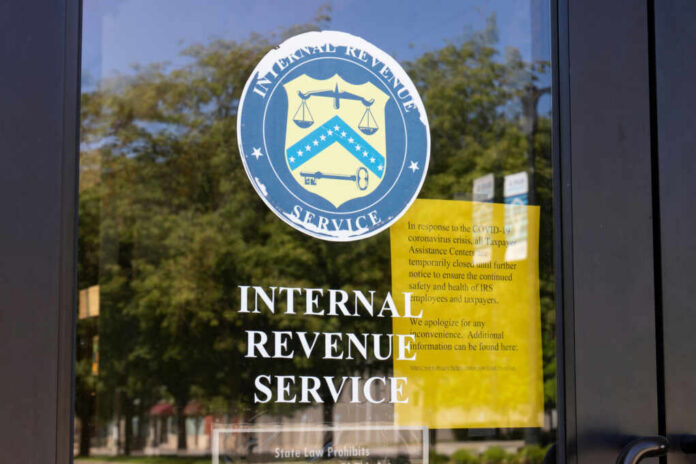
A $1.8 billion settlement plan and an Internal Revenue Service immunity addendum—floated, challenged, and partially abandoned—now fuel a broader fear that Washington shields insiders while leaving everyone else in the dark.
Story Snapshot
- Rep. Rosa DeLauro accused the administration of creating a $1.8 billion “slush fund” for political allies and flagged a separate Internal Revenue Service immunity addendum [1].
- Acting Attorney General Todd Blanche said the fund would not move forward, but the dispute over Internal Revenue Service-related protections persisted in hearings [1].
- Media coverage described bipartisan skepticism of the fund and highlighted disagreement over whether the tax terms were routine or exceptional [1].
- The absence of publicly available settlement text leaves key legal details unverified, sustaining partisan narratives [1].
What DeLauro Alleged And Why It Resonates
Rep. Rosa DeLauro issued a public statement calling the administration’s plan a nearly $1.8 billion taxpayer-funded handout for Trump’s allies and supporters who said they were targeted by the Department of Justice under President Biden [1]. During a June 2, 2026 exchange, she referenced three documents—an order, a settlement agreement, and an addendum about Internal Revenue Service immunity—purportedly signed by Acting Attorney General Todd Blanche, and demanded that he rescind them [1]. Her framing synced with bipartisan skepticism reported by outlets that labeled the plan a “slush fund” [1].
DeLauro’s charge carried weight because it fused two explosive threads: taxpayer money and tax protection. She argued that public funds would compensate politically favored claimants while a companion addendum curbed Internal Revenue Service scrutiny of Trump and family interests [1]. The allegation spoke directly to a long-running concern shared across the political spectrum: that powerful actors write special rules for themselves. However, the documents underpinning her assertions were not publicly posted, limiting independent verification of specific legal terms [1].
Blanche’s Response And The Partial Reversal
Media accounts of the same hearing show Blanche countering that the contested Internal Revenue Service language was standard settlement practice, aimed at resolving defined disputes rather than granting forward-looking immunity [3]. He denied that the agreement barred future examinations, stating it did not provide open-ended protection. On the financial front, he said the administration would not move forward with the $1.8 billion fund, a development separately reported by national outlets the same day [1]. That rollback blunted the most controversial budget piece while leaving the tax-language fight unresolved.
Bipartisan unease complicated the administration’s defense. Coverage described members from both parties questioning the fund’s premise and structure, reinforcing public doubts about whether Washington was creating a discretionary pool outside normal appropriations or legal redress channels [1]. Still, without the complete settlement text, outside analysts could not determine whether the Internal Revenue Service terms tracked common closing-agreement language or departed from norms. The lack of primary documentation kept both sides’ narratives alive, despite the fund’s cancellation [1].
What We Know, What We Do Not, And Why It Matters
Evidence supports four concrete points. First, DeLauro publicly labeled the plan a taxpayer-funded handout for political allies [1]. Second, she presented and referenced signed paperwork describing an Internal Revenue Service immunity addendum [1]. Third, Blanche announced that the $1.8 billion fund would not proceed [1]. Fourth, Blanche argued the tax terms were routine and not future-proofing for Trump or his family [3]. What remains unclear is the exact legal effect of any Internal Revenue Service provisions, because the operative language has not been released publicly [1].
This ambiguity matters for readers across the ideological spectrum who suspect entrenched interests benefit from opaque deals. Conservatives who distrust government “weaponization” can point to the original rationale for compensating alleged victims of prior Justice Department actions, but may question why a large, centralized fund was ever necessary. Liberals concerned about favoritism can see the Internal Revenue Service dispute as potential special treatment. Both views converge on a process problem: opacity invites cynicism and weakens institutional trust.
The Broader Pattern: High-Dollar Settlements And Public Skepticism
This episode fits a recurring Washington pattern where complex settlements become political symbols. When the government is both party to a dispute and steward of public funds, the line between restitution and patronage blurs quickly. The fund’s demise shows how political pressure can halt visible spending, but the harder legal question—whether any Internal Revenue Service clauses insulated specific parties from scrutiny—lingers without transparency. That unresolved piece fuels claims of elite protection and deepens frustration with perceived two-tier governance [1][3].
Clear next steps could cut through the fog without partisan spin. Publishing the full settlement agreement, the addendum, and any Internal Revenue Service or Department of Justice authorization memos would allow independent experts to evaluate whether the tax terms mirror standard closing agreements or carve out exceptional protection. If routine, the documents would support Blanche’s description. If exceptional, they would validate DeLauro’s alarm. Either way, sunlight would replace supposition and give citizens a factual basis to judge whether their government upheld equal treatment under the law.
Sources:
[1] Web – Blanche Schools Purple-Haired Democrat Rep. Rosa DeLauro as She Rages …
[3] YouTube – Rosa DeLauro Accuses Trump Of Ignoring ‘Cost-Of-Living Crisis’