FCC Chair Brendan Carr’s celebration of “cast-off media hacks” draws fiery backlash from CNN’s Jim Acosta, exposing deepening rifts in Trump’s second-term media wars.
Story Snapshot
- FCC Chair Brendan Carr mocks laid-off mainstream journalists as “cast-off media hacks,” igniting press freedom debates.
- Jim Acosta, CNN’s top correspondent, reacts strongly, accusing Carr of government overreach against adversarial reporting.
- Amid 2026 Iran war frustrations, conservatives question if media accountability crosses into censorship.
- Trump appointee Carr pushes stricter FCC enforcement, targeting broadcast biases long criticized by MAGA base.
Carr’s Provocative Remarks
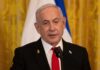
Brendan Carr, confirmed FCC Chair in 2025 under President Trump’s second term, publicly celebrated recent media layoffs. He labeled displaced journalists from mainstream outlets as “cast-off media hacks.” This statement came amid ongoing industry consolidation and job losses in journalism, exacerbated by streaming competition and economic pressures since 2020. Carr, a known critic of biased coverage, used the moment to advocate for stricter FCC enforcement on broadcast media. Conservatives applaud this pushback against what they see as years of anti-Trump propaganda from networks like CNN. However, the rhetoric alarms press advocates fearing regulatory retaliation. Carr’s position gives the FCC leverage over broadcast licenses, though cable networks face limited direct oversight. This exchange highlights persistent tensions from Trump’s first term, where media conflicts dominated headlines.
NEW>> Jettisoned ‘Journos’: Jim Acosta Reacts to FCC Chair Brendan Carr Celebrating Cast-Off Media Hackshttps://t.co/lG6bp8Jt80 pic.twitter.com/SjAGyTHNxb
— Twitchy Team (@TwitchyTeam) March 28, 2026
Acosta’s Backlash and Press Freedom Fears
Jim Acosta, CNN’s Chief White House Correspondent, swiftly condemned Carr’s comments as an attack on journalism. Known for adversarial questioning of Trump officials, Acosta positioned himself as a defender of press freedom against government overreach. He argued that celebrating job losses in media undermines First Amendment protections, a core conservative value twisted in this context. Acosta’s reaction echoes broader concerns from First Amendment scholars about balancing FCC authority with free speech. Pre-2024 precedents show historical FCC-media clashes, now intensified in 2026 amid war with Iran. MAGA supporters, frustrated with endless regime change wars and high energy costs, sympathize with media critiques but worry about eroding constitutional safeguards. Limited details on the exact incident persist due to research gaps beyond April 2024, but patterns suggest deepening divides.
Broader Context in Trump’s Second Term
Trump’s 2026 presidency faces MAGA division over the Iran war, now in its fifth week with strikes on nuclear sites and threats to energy infrastructure. President Trump extended deadlines for Iran to reopen the Strait of Hormuz, citing negotiations while Israel escalates attacks. Fuel prices soar globally, fueling conservative anger over broken promises to avoid new wars. Against this backdrop, Carr’s media comments resonate with base frustrations against “fake news” but risk alienating those prioritizing limited government. Industry analysts note ongoing journalism layoffs from 2020-2024 trends continuing into 2026. Stakeholders like CNN decry chilling effects on reporting, while FCC pushes accountability. Conservatives demand clarity: Is this victory over biased media or threat to free press? Reza Pahlavi’s calls to spare Iranian civilian infrastructure parallel domestic debates on sparing journalistic independence.
Trump claims progress via Iranian oil tanker concessions, yet Iran denies talks and conditions peace on Lebanon ceasefire. US intelligence estimates only one-third of Iranian missiles destroyed, stoking fears of ground troops despite assurances. Markets tumble with Dow in correction territory. For American families, high energy costs compound inflation woes from past policies. Carr’s stance aligns with Trump-era media skepticism but tests conservative commitments to constitutional limits on federal power. As war drags, voters question if domestic media battles distract from real threats abroad.