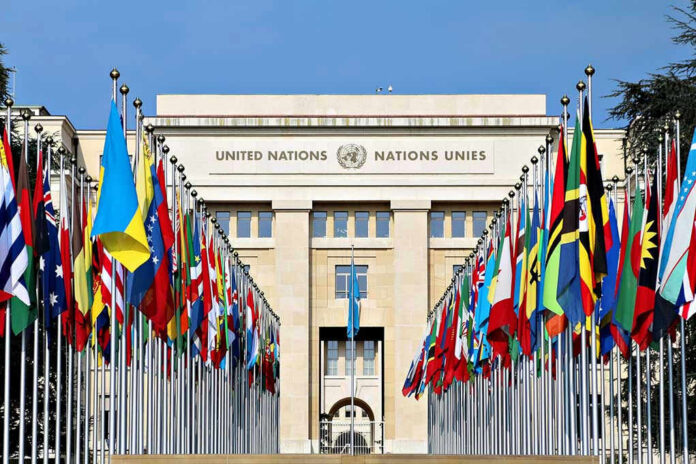
The United Nations’ own probe led to the firing of nine Gaza aid workers for possible roles in the October 7 attacks, forcing hard questions about neutrality the UN can no longer dodge.
Story Highlights
- UN investigators moved to dismiss nine United Nations Relief and Works Agency staff over possible roles in the October 7 attacks.
- Israel’s dossier alleged multiple United Nations Relief and Works Agency employees aided the assault, including kidnappings.
- Independent reviews pushed back on broader claims of systemic capture but confirmed some individual misconduct.
- Donors and governments remain split on funding as aid needs in Gaza stay severe.
UN Actions Underscore Neutrality Concerns
United Nations officials said an internal oversight investigation resulted in plans to dismiss nine staff members of the United Nations Relief and Works Agency for possible involvement in the October 7, 2023 attacks in Israel. The agency runs schools, clinics, and aid delivery for Palestinians. The firings followed months of outside pressure and donor scrutiny. The step signals the United Nations accepts that at least some workers broke neutrality rules. It also raises doubts about how well the system screened staff in a war zone.
Israel first pressed the case by sharing an intelligence dossier naming specific United Nations Relief and Works Agency employees it says joined the assault. The document alleged roles ranging from kidnappings to setting up an operations hub. These are grave claims. They go beyond bias or improper speech and point to direct action. Even if only a handful took part, such acts can taint a whole mission. That is why neutrality rules in aid work are strict and enforced.
Investigations Yield Mixed Findings
Independent reviews did not confirm the widest claims that the agency was broadly captured by armed groups. One high-profile review reported no proof that the agency as an institution was infiltrated, even as it left room for individual cases and called for stronger safeguards. This split result is common in conflict zones. Audits often find misconduct by some workers, yet stop short of ruling an entire agency compromised. The gap fuels ongoing debate among donors and recipients.
United Nations Relief and Works Agency leaders say they acted when they received names, verified staff status, and launched probes. They also say many allegations arrived without shareable evidence, which slowed checks. Israel and several watchdogs argue the opposite, claiming the scale of infiltration is larger and that warnings were ignored. That clash reflects a core problem in wartime oversight: intelligence is often classified, while aid groups demand verifiable details before firing staff and reshaping programs.
Donor Dilemmas and Human Costs
Major donors paused or reassessed funds after the allegations surfaced. Some resumed support after independent reviews, while others kept limits in place pending reforms. This matters because the agency is a key conduit for food, medicine, and schooling in Gaza. When money stops, services stall. Civilians then pay the price, even if they had nothing to do with staff wrongdoing. Aid pipelines are only as strong as trust allows. Trust is only as strong as real checks and clear fixes.
United Nations statements outline steps to tighten vetting, data sharing, and facility monitoring. Supporters say these moves protect civilians who rely on aid. Critics say they are not enough without deeper structural change and fuller intelligence access. Both sides agree on one thing: neutrality must be real, not a slogan. If even a few workers cross the line into violence, the agency’s license to operate comes into question with every donor and every host government.
Why This Debate Resonates Beyond Gaza
This fight mirrors a broader pattern in global aid. Armed groups try to tap salaries, storage, and status. Agencies race to keep access while guarding neutrality. Governments and watchdogs press for proof, speed, and consequences. Reviews then confirm some breaches, reject others, and leave gray areas that no one loves. The result is a cycle of allegations, suspensions, reforms, and partial resets. The current case fits that mold, with confirmed firings alongside disputed claims.
For Americans, the stakes tie back to trust in big institutions. Taxpayers and private donors want aid to reach needy families, not fighters. People on the right and left share that bottom line. When the United Nations acts only after public pressure, many see a pattern of slow, self-protective bureaucracy. When intelligence stays sealed, many fear the truth gets buried. The path forward is hard but clear: share evidence where possible, punish proven abuse fast, and keep lifelines open for civilians who have no other choice.
Sources:
unwatch.org, cnn.com, organiser.org, theconversation.com, news.un.org