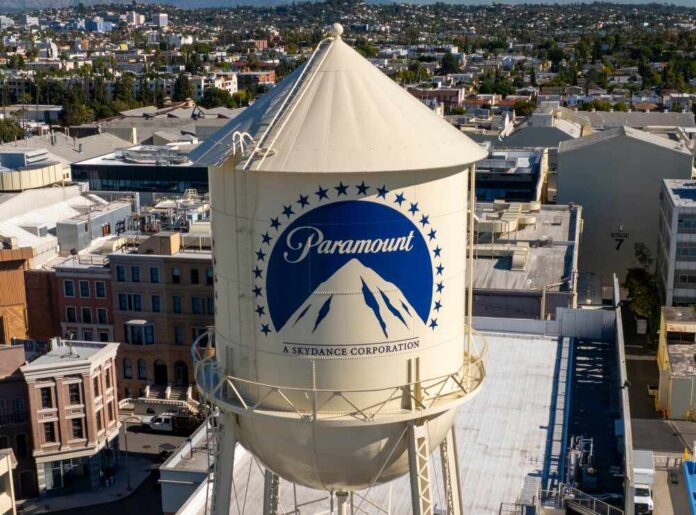
A coalition of states led by California and New York is preparing to sue and block a $110 billion media mega-merger that would hand control of CBS, CNN, HBO, and Warner Bros. Studios to a single corporate owner — and the legal battle could reshape American media for a generation.
Story Highlights
- California, New York, and roughly 10 other states are reportedly preparing a lawsuit to block Paramount’s acquisition of Warner Bros. Discovery.
- The all-cash deal is valued at approximately $110.9 billion, making it one of the largest media transactions in U.S. history.
- The combined company would control CBS, CNN, HBO, Warner Bros. Studios, and multiple streaming platforms under one corporate umbrella.
- Paramount says the deal is fully financed with $43.6 billion in equity and $54 billion in debt commitments, and claims it has already complied with a Department of Justice information request.
States Move to Block a $110 Billion Media Takeover
A coalition of roughly 10 state attorneys general, including those from California and New York, is reportedly preparing to file a lawsuit aimed at stopping Paramount’s proposed acquisition of Warner Bros. Discovery. The deal, announced February 27, 2026, would have Paramount pay $31 per share in cash for all outstanding shares of Warner Bros. Discovery, totaling approximately $110.9 billion. Warner Bros. Discovery shareholders have already voted overwhelmingly to approve the transaction.
The states’ legal challenge centers on antitrust concerns. A single merged entity would control an extraordinary concentration of American media assets — broadcast television through CBS, cable news through CNN, premium television through HBO, major film production through Warner Bros. Studios, and multiple streaming services. Critics argue this level of consolidation reduces consumer choice, weakens competition for content, and gives the combined company enormous leverage over advertisers and distributors alike.
Deal Scale Raises Serious Competition Concerns
The sheer financial structure of the deal underscores its scale. Paramount’s revised offer is backed by $43.6 billion in equity commitments and $54 billion in debt commitments, with no financing condition attached. The company has stated it complied with the Department of Justice (DOJ) Second Request for Information on February 9, 2026, signaling the federal review process is advancing. However, no official DOJ or Federal Communications Commission clearance has been issued as of the time of reporting.
Beyond the competitive concerns, Paramount has publicly stated its intention to cut approximately $6 billion in costs following the merger, with layoffs expected from overlapping operations. That level of workforce reduction across two of Hollywood’s largest studios raises additional public-interest questions about the deal’s real-world impact on American workers in the entertainment industry — writers, directors, editors, and production staff who already operate in a brutally competitive labor market.
The Conservative Case for Scrutiny
Conservatives who rightly oppose government overreach in business should still pay close attention here. This is not a case of regulators inventing a problem — it is a situation where a handful of billionaires and their Wall Street backers, including Bank of America, Citigroup, and Apollo, are financing a deal that would consolidate an enormous share of what Americans watch, read, and hear into one corporate structure. Media consolidation of this magnitude directly threatens the diversity of voices and the editorial independence that a free society depends on.
The Paramount/Warners merger fight is getting weird fast.
California and New York are reportedly trying to block Paramount Skydance’s $110B Warner Bros. Discovery takeover on antitrust grounds.
And sure, the antitrust argument makes sense.
Fewer studios. Fewer buyers. Fewer… pic.twitter.com/G0Qj3tM2ZL
— Matt Jarbo (@mjarbo) June 5, 2026
The deal’s defenders will argue that the streaming market is competitive enough to absorb another consolidation, and that combining struggling legacy media companies creates a stronger competitor against Netflix and other global platforms. That argument has some merit on paper. But the history of mega-mergers in media is not encouraging — promised efficiencies rarely materialize for consumers, content libraries get hollowed out, and the companies that remain standing gain enough market power to dictate terms to everyone else. States have every legitimate reason to demand rigorous scrutiny before this deal closes, and Americans deserve a transparent legal process that puts the public interest ahead of shareholder returns.
Sources:
[1] Web – STATES PREP LAWSUIT TO BLOCK PARAMOUNTWARNERBROS…
[2] Web – PARAMOUNT ENHANCES ITS SUPERIOR $30 PER SHARE ALL …
[3] YouTube – Warner Bros. Shareholders Approve $110 Billion Paramount Deal
[5] YouTube – Why the $110B Paramount & Warner Bros. Discovery Merger is a …
[6] Web – Paramount Buys Warner Bros. for $110B // What It Means for the …
[7] Web – PARAMOUNT TO ACQUIRE WARNER BROS. DISCOVERY TO …
[8] YouTube – Paramount: How a Dead Studio Ate Warner Brothers for $111B