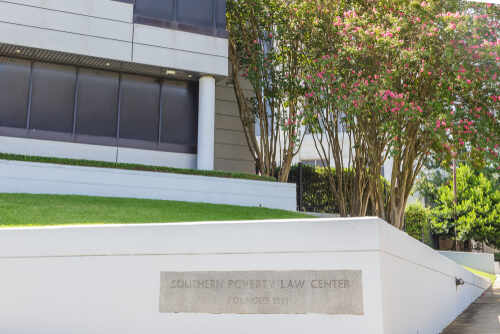
A prominent civil rights organization once celebrated for fighting extremism now faces federal charges alleging it manufactured the very hatred it claimed to oppose while deceiving millions of dollars from unsuspecting donors.
Story Snapshot
- Southern Poverty Law Center indicted on 11 federal counts including wire fraud, bank fraud, and money laundering conspiracy
- Federal prosecutors allege the organization paid informants to stoke racial hatred rather than dismantle extremist groups
- DOJ claims SPLC raised millions from donors to fund leadership of the extremist organizations it purported to fight
- SPLC defends now-discontinued informant program as necessary intelligence sharing with law enforcement including FBI
- Investigation remains ongoing with potential for individual charges beyond organizational indictment
Federal Grand Jury Returns 11-Count Indictment
The Southern Poverty Law Center faces an 11-count federal indictment returned by a grand jury in the Middle District of Alabama. Acting Attorney General Todd Blanche announced the charges include six counts of wire fraud, four counts of bank fraud, and one count of conspiracy to commit money laundering. The indictment alleges the organization improperly raised millions of dollars to pay informants who infiltrated the Ku Klux Klan and other extremist groups. Federal prosecutors characterize the scheme as a fundamental betrayal of the organization’s stated mission to combat white supremacy and racial hatred.
Manufacturing Extremism Through Financial Incentives
Acting Attorney General Blanche delivered a damning assessment of the SPLC’s operations, stating the organization was “manufacturing the extremism it purports to oppose by paying sources to stoke racial hatred.” This allegation strikes at the heart of donor trust, suggesting funds contributed to fight hate groups instead financed activities that perpetuated extremism. A DOJ official characterized the charges as involving a “serious and egregious violation,” noting the SPLC used money raised from its donor network to pay the leadership of the very extremist groups it claimed to monitor. This raises troubling questions about whether the organization had financial incentives to keep extremism alive rather than eliminate it.
Organization’s Defense and Historical Context
SPLC interim CEO Bryan Fair defended the informant program as necessary and historically justified, arguing informants “risked their lives to infiltrate and inform on the activities of our nation’s most radical and violent extremist groups.” The organization claims it frequently shared intelligence with local and federal law enforcement, including the FBI. Fair publicly revealed the criminal investigation on the same day the indictment was announced. The SPLC, founded in 1971 to fight white supremacist groups, expanded its mission to include litigation on voting rights and prisoner rights. The organization traces its informant work to the civil rights movement era when bombings, state-sponsored violence, and murders of activists went unanswered by the justice system.
Operational Changes and Ongoing Investigation
The SPLC announced it no longer works with paid informants, marking a significant operational shift following the federal charges. Only the organization itself has been charged to date, though prosecutors indicated the investigation continues with potential for individual criminal charges. The indictment raises immediate concerns about donor confidence, as supporters believed their contributions funded legitimate civil rights work rather than payments to extremist group leaders. The case may also impact how other nonprofit organizations structure informant-based research programs. For law enforcement agencies that relied on SPLC intelligence, questions now loom about the reliability of information obtained through financially incentivized sources whose motivations prosecutors allege were compromised.
Broader Implications for Civil Society
The charges against the SPLC represent more than legal jeopardy for one organization—they expose vulnerabilities in how civil rights groups operate with limited oversight. Americans across the political spectrum increasingly question whether powerful institutions serve stated missions or self-perpetuate through manipulation and deception. The allegation that a respected civil rights organization may have fueled the extremism it fundraised to fight validates concerns about nonprofit accountability. If prosecutors prove the SPLC misled donors while paying extremist leaders, it undermines public trust in charitable organizations claiming to serve the public good. The case reinforces growing skepticism toward established institutions that position themselves as moral authorities while potentially operating with questionable ethics behind closed doors.
Sources:
Southern Poverty Law Center under Justice Department investigation – Politico